

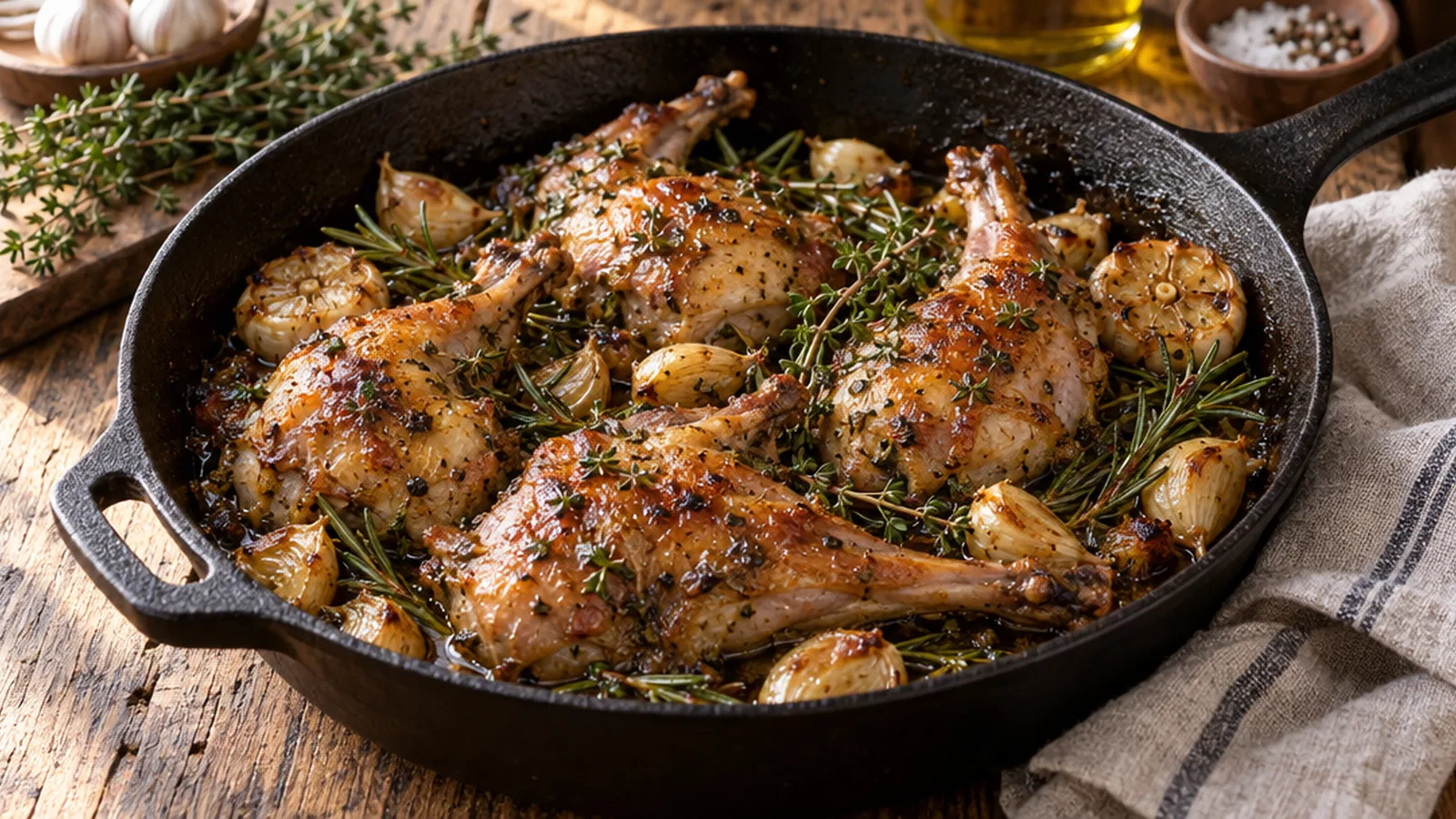
Rabbits have been hunted and raised for food for a very long time, and many homesteaders still keep them for the table. This section covers rabbits as game and meat in a plain, practical way. It is written for adult readers who have already decided this is something they want to do.
Laws, licenses and seasons come first
Trapping, snaring and hunting rabbits are regulated by state and local laws in the United States. Rules can cover hunting seasons, licenses, which trap types are allowed, how often traps must be checked and where you can set them. Some methods that are legal in one place are banned in another, so check with your state wildlife agency before you start.
Traps and snares
The trapping guides explain how a simple box-style rabbit trap works and how to build one. The snare guide walks through how a snare is made and set, for readers where snaring is legal. These guides stress checking traps often and handling any animal quickly and humanely.
Raising rabbits for meat
For homesteaders, the choice of breed makes a big difference to growth and meat yield. The meat breed guide compares the breeds most often raised for meat and what each one offers.
Butchering and cooking rabbit
The butchering guide covers the basic steps for processing a rabbit cleanly as a beginner. The cooking guide shares a simple oven method with honey and garlic. Rabbit is a lean meat, so cooking methods that keep it moist work best.
Disease and food safety
Wild rabbits can carry diseases, including tularemia, that can spread to people through handling. Wear gloves when handling wild rabbits or raw rabbit meat, and avoid any animal that seems sick or acts strangely. Keep raw meat away from other foods, wash hands, tools and surfaces well, and cook rabbit all the way through, using a food thermometer and current USDA guidance for a safe internal temperature.


